

One of the most challenging things in this neurodivergent life is ADHD Rejection Sensitive Dysphoria (RSD), an intense emotional response that feels completely overwhelming. Imagine if every potential criticism, or perceived rejection, hit you like a thunderbolt. That’s what rejection sensitive dysphoria feels like to someone with ADHD.
Living with ADHD can often feel like riding an invisible tidal wave anyway, because no-one else can see how much you’re struggling with all those ups and downs.
But ADHD rejection sensitive dysphoria isn’t just feeling sad or disappointed. It’s an extreme emotional reaction that triggers profound feelings of shame, worthlessness, and intense pain from even the smallest hint of possible rejection. Sometimes, these emotional responses can be so powerful they feel physically painful, creating a complex internal landscape of emotional turbulence.
It’s worth knowing that RSD isn’t a formal DSM diagnosis or an official clinical term — you won’t find it listed as a symptom of ADHD in the diagnostic manuals. But clinicians and researchers increasingly recognise the pattern it describes as part of ADHD’s broader emotional dysregulation, and for many people it captures a very real, very specific kind of pain that the official criteria don’t quite name.
Why ADHD rejection sensitive dysphoria happens
From a neurological perspective, RSD stems from differences in how your ADHD brain processes emotional stimuli. The executive functioning challenges that come with ADHD mean emotional regulation is more difficult, creating a perfect storm for intense emotional responses. Essentially, the brain’s emotional control centre is a bit like an over-sensitive alarm system, constantly on high alert.
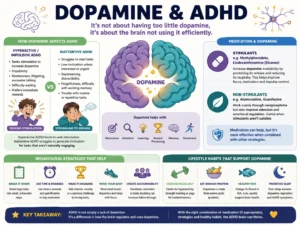
These heightened emotional responses aren’t a choice or a flaw. They’re a genuine neurological difference that makes processing potential rejection far more challenging. Differences in dopamine regulation also go hand-in-hand with ADHD, and can amplify emotional sensitivity, making negative experiences feel more intense and longer-lasting.
Survival strategies for managing RSD
Recognising that you have rejection sensitive dysphoria, and are more prone to feeling rejected, is the first step towards managing it more effectively. Cognitive behaviour therapy can be incredibly helpful, providing you with tools to reframe negative thought patterns and build emotional resilience. Mindfulness practices along with emotional regulation techniques used in dialectical behaviour therapy can also help you develop greater emotional flexibility.
Self-compassion and self-acceptance are both really important for managing RSD. This means treating yourself with the same kindness you’d offer a good friend. Developing a toolkit of coping strategies like journaling, meditation, or talking with a supportive therapist can help transform how you experience and process these potential rejections.
How others can make a difference
For friends, family, and partners, understanding is key. It’s important to validate these feelings without trying to immediately ‘fix’ anything. Active listening and creating a safe, non-judgmental space can make an enormous difference in helping someone feel supported.
Communication is crucial. Using gentle, specific feedback, delivered with kindness, can help those with RSD feel heard and understood. Avoiding harsh criticism and focusing on collaborative problem-solving is always best. Remember that words carry significant emotional weight, so choose them carefully and with empathy.
Learning to surf
ADHD rejection sensitive dysphoria may feel like an insurmountable challenge, but it doesn’t define your worth or potential. With understanding, support, and the right strategies, you can learn to navigate through your emotional storm with greater ease and self-compassion. We can’t stop the waves, but we can learn to surf.
References:
Broader emotional dysregulation evidence base (adults)
Soler-Gutiérrez, A. M., Pérez-González, J. C., & Mayas, J. (2023). Evidence of emotion dysregulation as a core symptom of adult ADHD: A systematic review. PLOS ONE, 18(1), e0280131.
https://doi.org/10.1371/journal.pone.0280131
Beheshti, A., Chavanon, M. L., & Christiansen, H. (2020). Emotion dysregulation in adults with attention deficit hyperactivity disorder: A meta-analysis. BMC Psychiatry, 20, 120.
https://doi.org/10.1186/s12888-020-2442-7
Ginapp, C. M., Greenberg, N. R., MacDonald-Gagnon, G., Angarita, G. A., Bold, K. W., & Potenza, M. N. (2023). “Dysregulated not deficit”: A qualitative study on symptomatology of ADHD in young adults. PLoS ONE, 18(10), e0292721.
https://doi.org/10.1371/journal.pone.0292721
Emotional dysregulation evidence base (children/adolescents, foundational)
Graziano, P. A., & Garcia, A. (2016). Attention-deficit hyperactivity disorder and children’s emotion dysregulation: A meta-analysis. Clinical Psychology Review, 46, 106–123.
https://doi.org/10.1016/j.cpr.2016.04.011